What Can Moldovan Communities Learn from Poland? A Study Visit for Local Leaders
.png)


A 12-person delegation from Moldova, including representatives of local public authorities and a teacher, took part in a study visit to Poland on 13–19 September 2026, coordinated by the National Congress of Ukrainians of Moldova (NCUM). The delegation was led by Dmitri Lecartev on behalf of NCUM, at the invitation of the organisers.
The visit took place under the Study Tours to Poland programme and was organised by the Ukrainian House Foundation in Przemyśl (Fundacja Dom Ukraiński w Przemyślu), with the support of the Polish-American Freedom Foundation (PAFF) and the Leaders of Change Foundation.
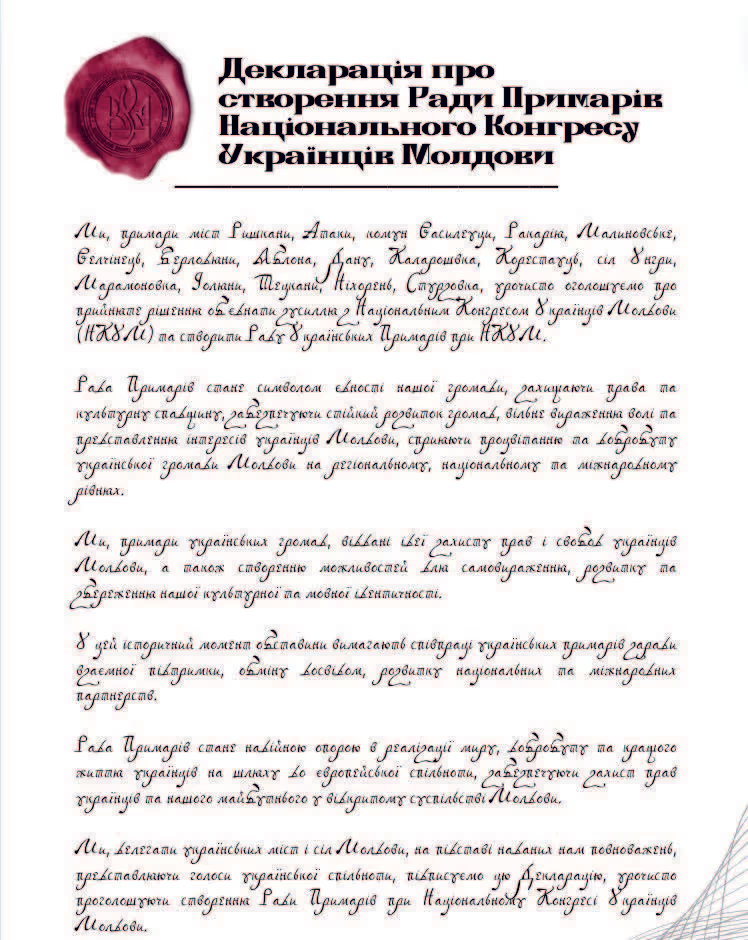
The focus was practical, peer-to-peer exchange. Participants met Polish local authorities and community institutions to learn how they set development priorities, build partnerships, access EU funding and turn cooperation into concrete projects. The visit builds on NCUM’s work with the Council of Ukrainian Mayors, established in 2024 as a platform for exchange and coordination among local authorities in communities with Ukrainian populations.
What the programme covered
Participants met local government representatives and learned how the Polish local government system works. Discussions also covered Poland’s experience of European integration and the challenges local institutions faced during the country’s accession to the European Union.
The programme included visits to municipal and community institutions in Przemyśl, Jarosław and Krosno, covering social inclusion, support for persons with disabilities, youth engagement, municipal services and local infrastructure.
In Jarosław, participants visited a PSONI branch (Polish Association for Persons with Intellectual Disabilities), an occupational therapy workshop, a Community Self-Help Centre and a ZAZ (Occupational Activity Facility), where they learned about vocational and community-based support for people with intellectual disabilities, as well as social enterprise activities.
In Krosno, the delegation looked at practical aspects of municipal management, including meetings with the city’s mayor and treasurer, a wastewater treatment plant, a selective municipal waste collection point and a youth centre. These visits showed how local authorities organise public services and manage local development in practice.
A key meeting took place at Narodnyj Dim in Przemyśl, covering EU-funded investment, partnership development, educational activities and support for the integration of refugees.
For NCUM, it is also a useful example of how a Ukrainian community centre can develop into a sustainable institution, relevant to its work on developing the Ukrainian House in Chișinău, opened in 2024 as a sustainable community hub together with international and local partners.
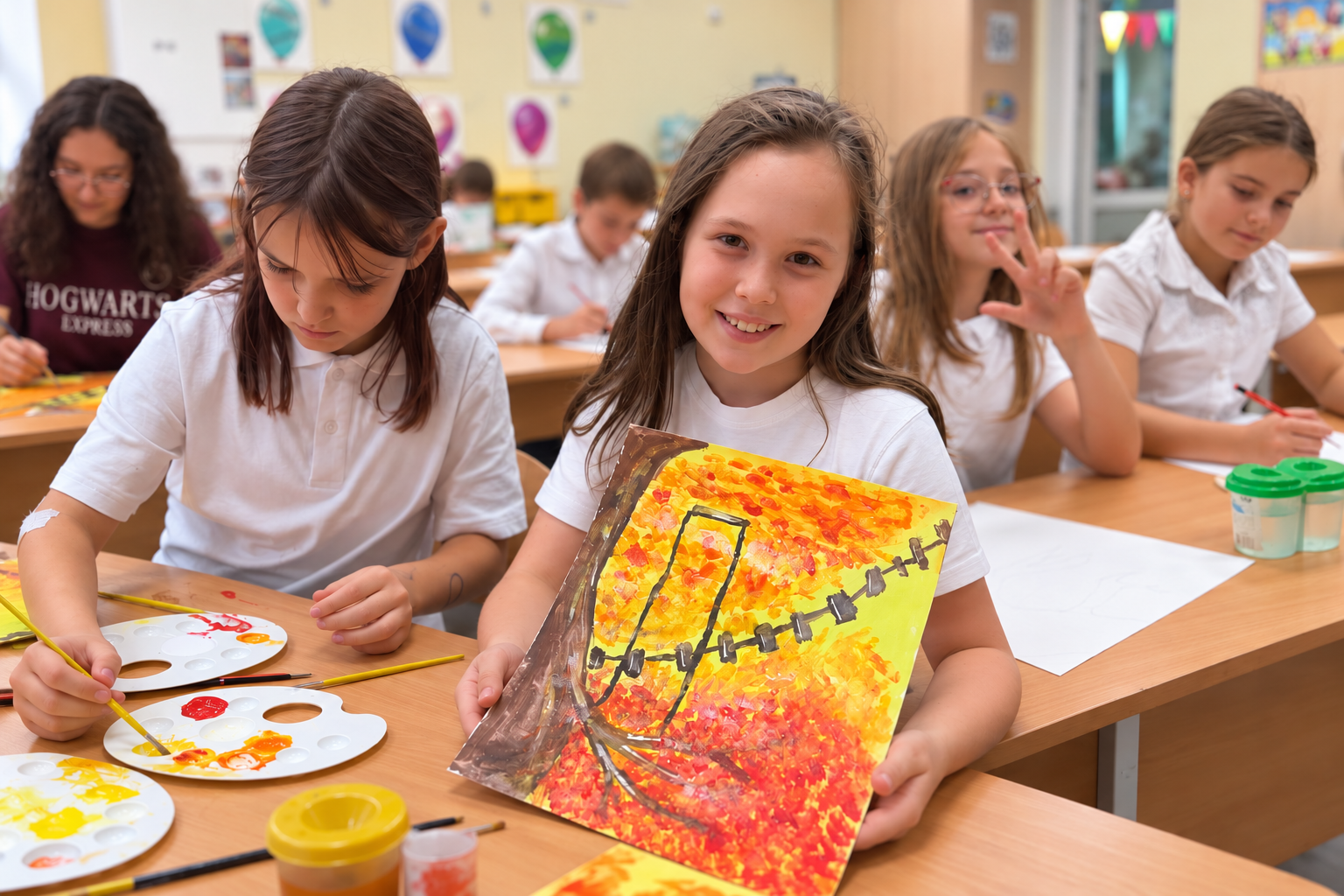
The educational component of the visit also allowed participants to explore how local institutions support children, education and community life. The programme included a visit to a Ukrainian-language school, a kindergarten, and youth and sports facilities in the Przemyśl area.
A workshop on EU project development and proposal writing gave participants hands-on insight into European funding mechanisms and the project cycle.
“We brought mayors and local leaders here precisely so they could see successful European practices firsthand, learn from solutions that have already been implemented, and build direct professional connections. The value of such visits is not only in seeing how another country works. It is also about learning how to develop projects and attract EU and other donor funding, so that these resources and successful approaches can be brought back and adapted to their own villages and communities,” said Dmitri Lecartev during the visit.
From exchange to cooperation
Lasting cooperation between communities starts with direct professional contact, but it continues only when institutions can turn first contacts into concrete areas of work. For NCUM, such exchanges are part of a broader approach to strengthening local institutions, building professional partnerships between communities and helping local authorities engage with European development opportunities.
By creating opportunities for direct contact and experience-sharing, these exchanges can lay the groundwork for future cooperation and contribute to NCUM’s wider goal of protecting the rights and interests of Ukrainians at the local level.
Learn more about Protection of Local Ukrainians’ Rights through Support for Local Public Authorities.