Every child is protected in Moldova

About
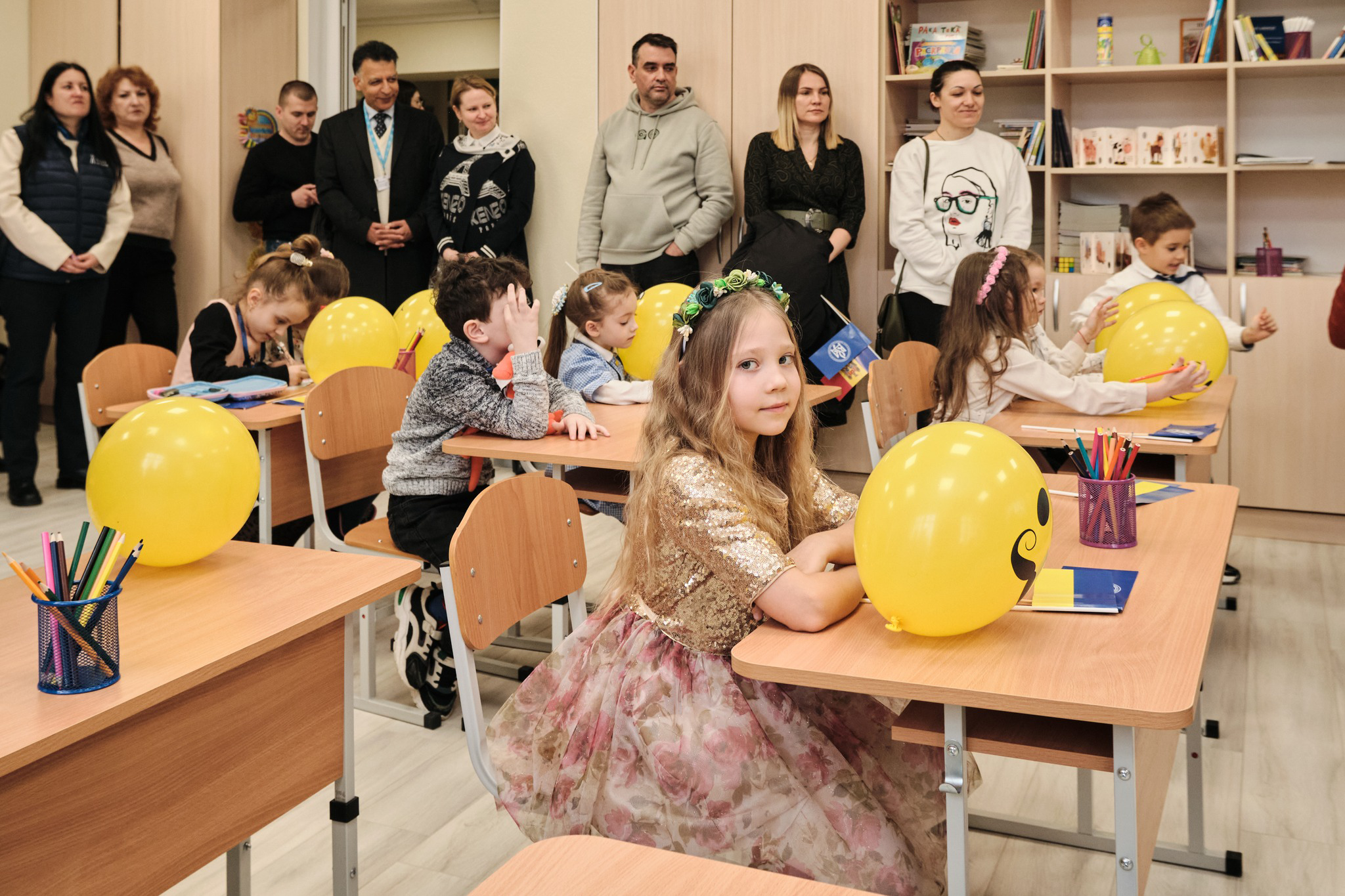
“Every Child is Protected in Moldova” is a child-focused protection and inclusion initiative implemented by NCUM in partnership with UNICEF. Launched in 2023 in response to the war in Ukraine and the resulting displacement, the project supports refugee children from Ukraine and vulnerable children in Moldova by improving access to education, healthcare, social protection, child protection and gender-based violence (GBV) prevention services. The project also promotes community inclusion and social cohesion between displaced and host populations, contributing to a more integrated and responsive child protection environment in Moldova.
Since its launch, the project has combined direct information and counselling, service referrals, community outreach, accountability and social listening with activities designed to address barriers faced by refugee and vulnerable families. NCUM works in coordination with national and local authorities, service providers and partner organisations across child protection, healthcare, social protection and psychosocial support, helping families navigate national systems and access available services.
In 2024, the project expanded from direct information support towards a broader community-based protection approach, combining access to essential services with outreach, community engagement, accountability and social listening. Greater emphasis was placed on identifying barriers faced by refugee families, strengthening referrals to relevant services, and creating opportunities for interaction and social cohesion between refugee and host communities.
In 2025, the project evolved from an emergency-focused response towards more sustainable, system-oriented programming. A stronger emphasis was placed on educational integration, including support for school enrolment, parental counselling, information on the national education system and referral pathways. To address persistent language and adaptation barriers, NCUM applied a “soft integration” approach combining preparatory education, Romanian language support and structured guidance for families. The Dyvosvit Educational Centre was integrated into the project as a complementary component of this approach.
In 2026, the project further strengthened its focus on sustainable educational and social integration. Activities include Romanian language and catch-up classes, non-formal education, creative and digital activities, and the expansion of the Dyvosvit model to the North of Moldova, alongside continued support in Chișinău. The project also introduced a dedicated component focused on strengthening educators’ capacity to provide psychosocial support, prevent bullying and violence, and apply inclusive and trauma-informed approaches in school settings.
Information and referral, community engagement, social cohesion, accountability and social listening remain integral to the programme. Community feedback helps identify barriers and changing needs and informs referrals and programme adaptation. Through this combination of community-based support and system-oriented interventions, the project contributes to reducing barriers to education and essential services, strengthening the capacity of schools and service providers, and supporting more sustainable inclusion of refugee and vulnerable children within Moldova’s national systems.
Across the implementation period, these approaches have combined information support, individual counselling, service referrals, educational activities, community engagement and feedback mechanisms. Together, they have supported children and families in accessing national systems and services, strengthened coordination between communities and relevant service providers, and contributed to more sustainable mechanisms for integration and inclusion.
KEy achievements


Stories
%201.jpg)
Alisa – A Path to Adaptation and New Opportunities
LINK

50 children from Moldova and Ukraine are spending their holidays together

The “Magic of Christmas”

RO
TEAM
Program
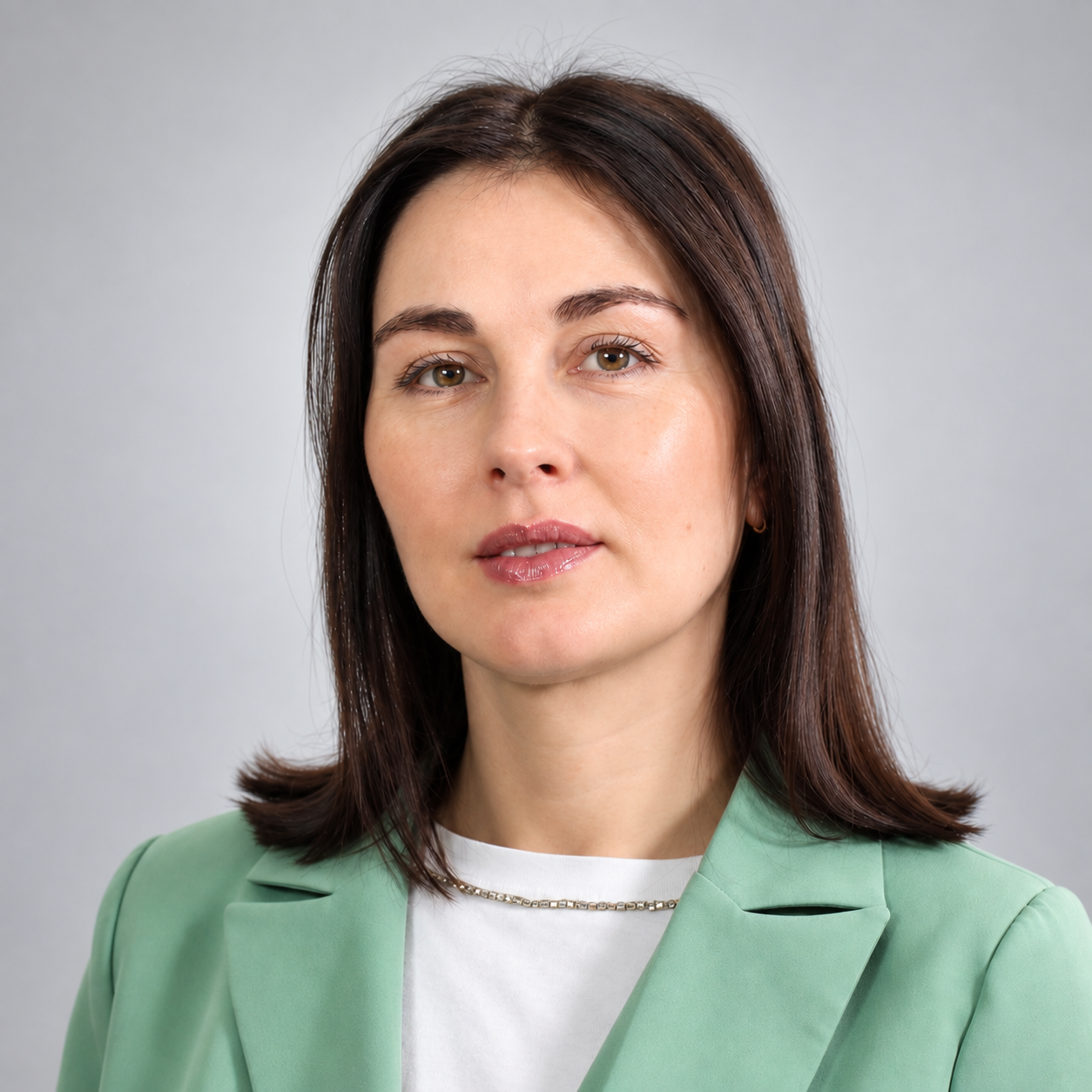
Darya Mandzyuk
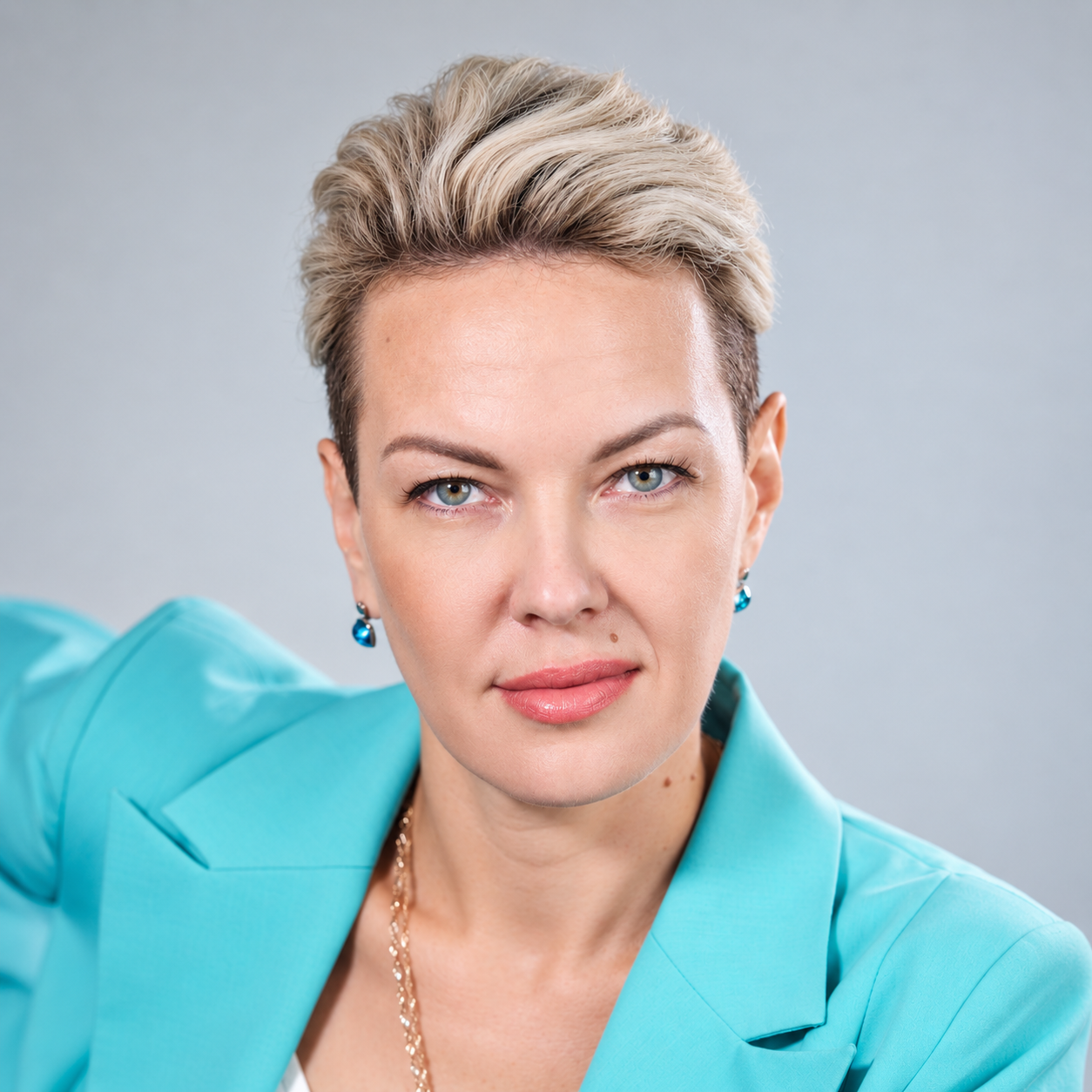
Kateryna Katkova
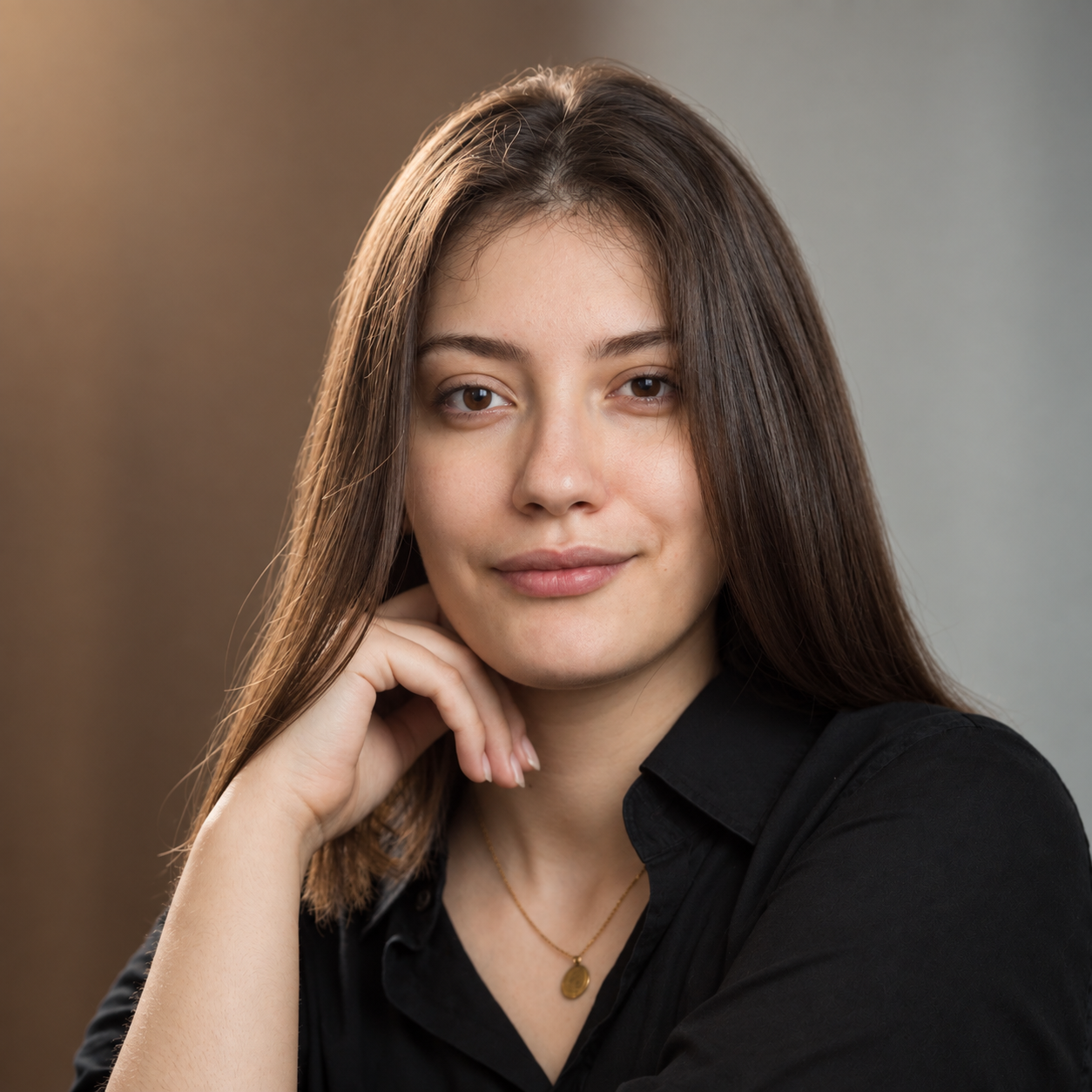
Irina Basiul
Project Implementation
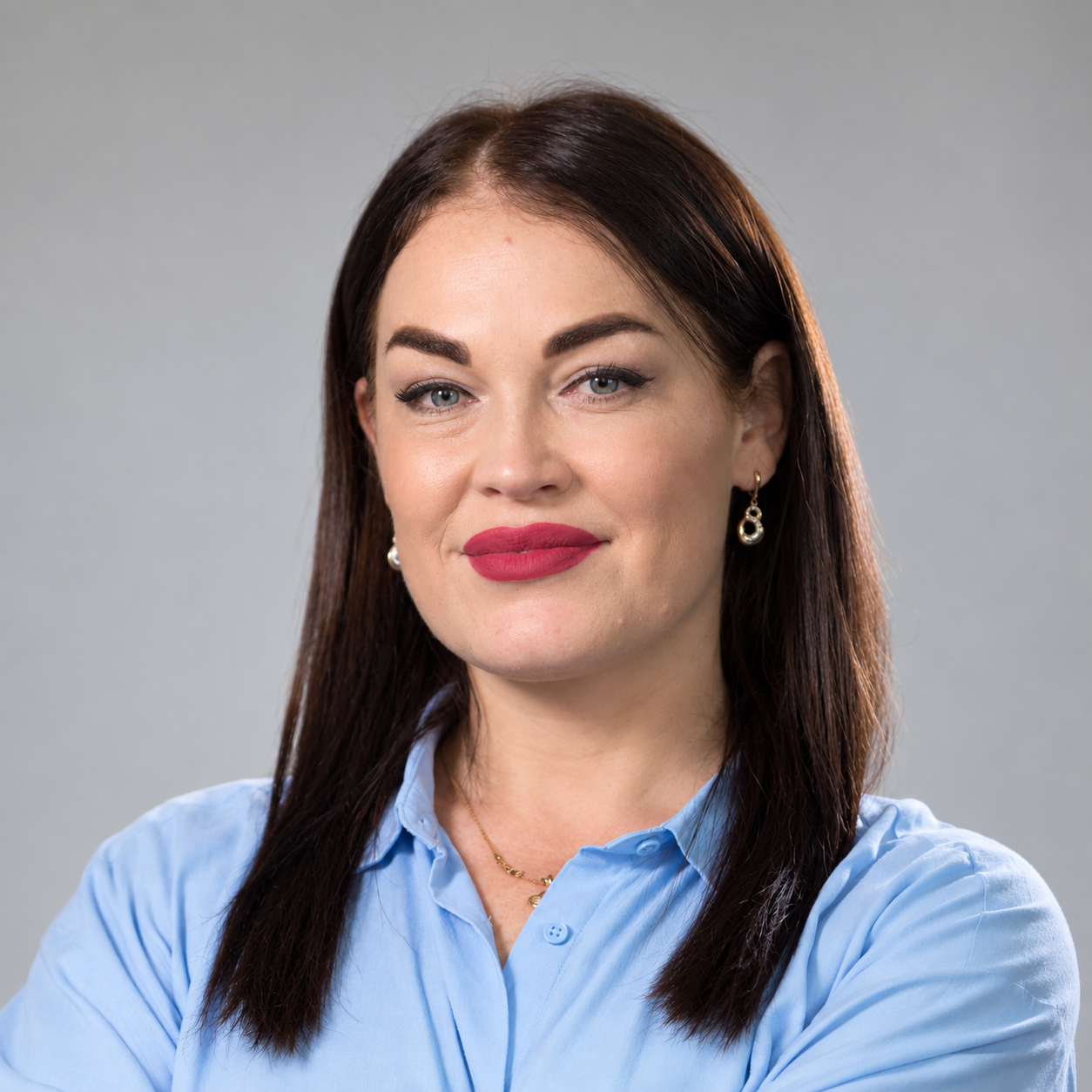
Viktoria Karlinska
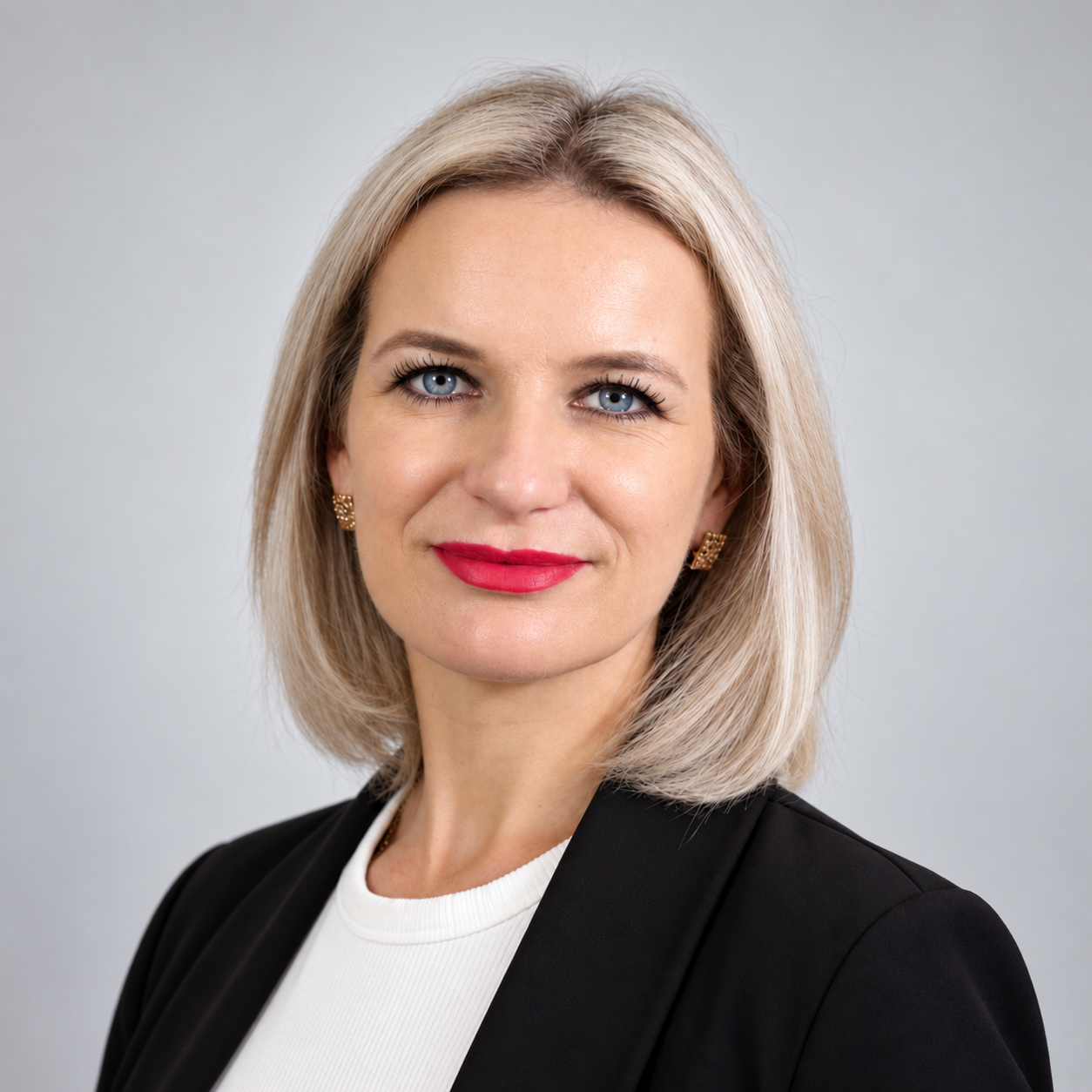
Tetiana Prokhorova

Elena Petroia
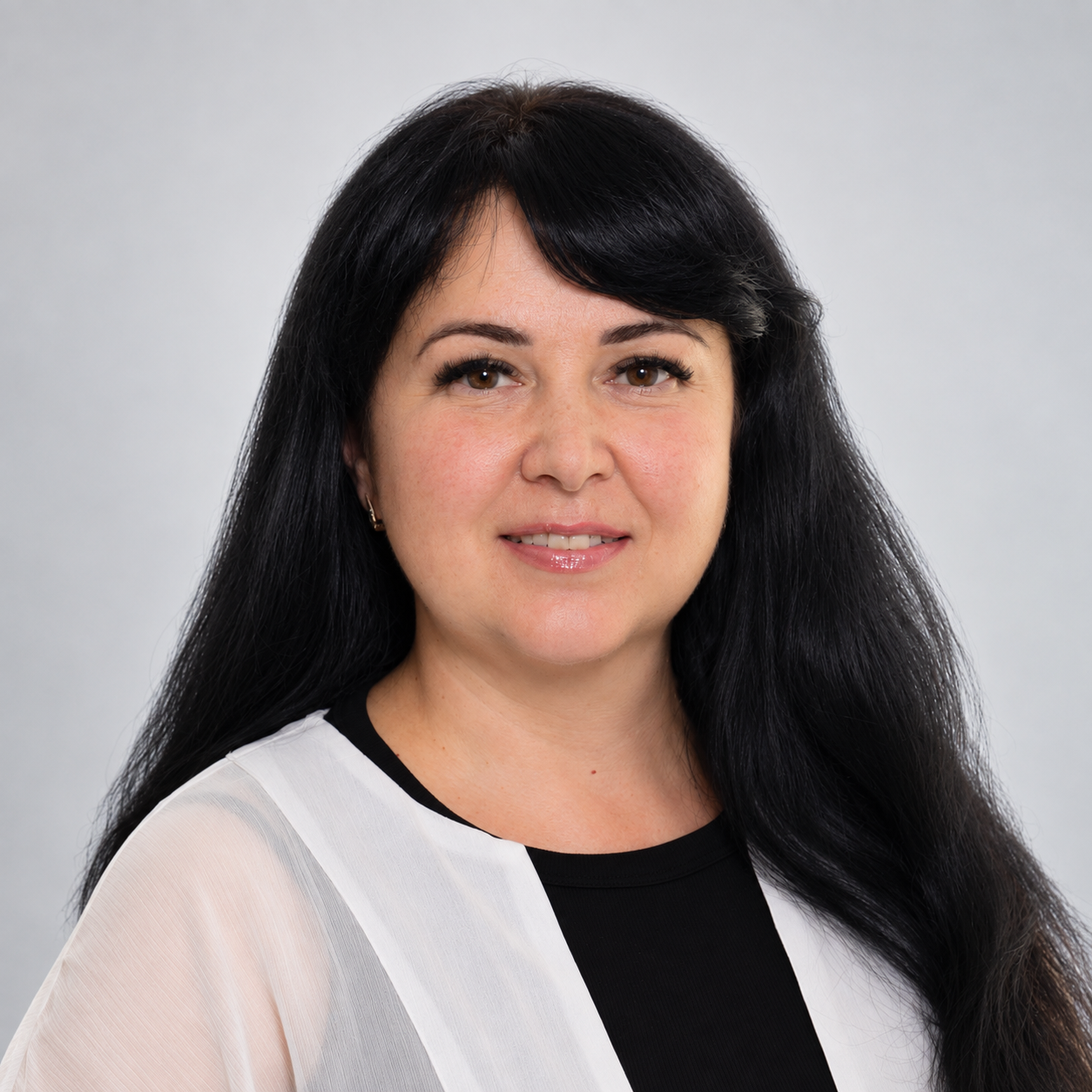
Hanna Hafarova
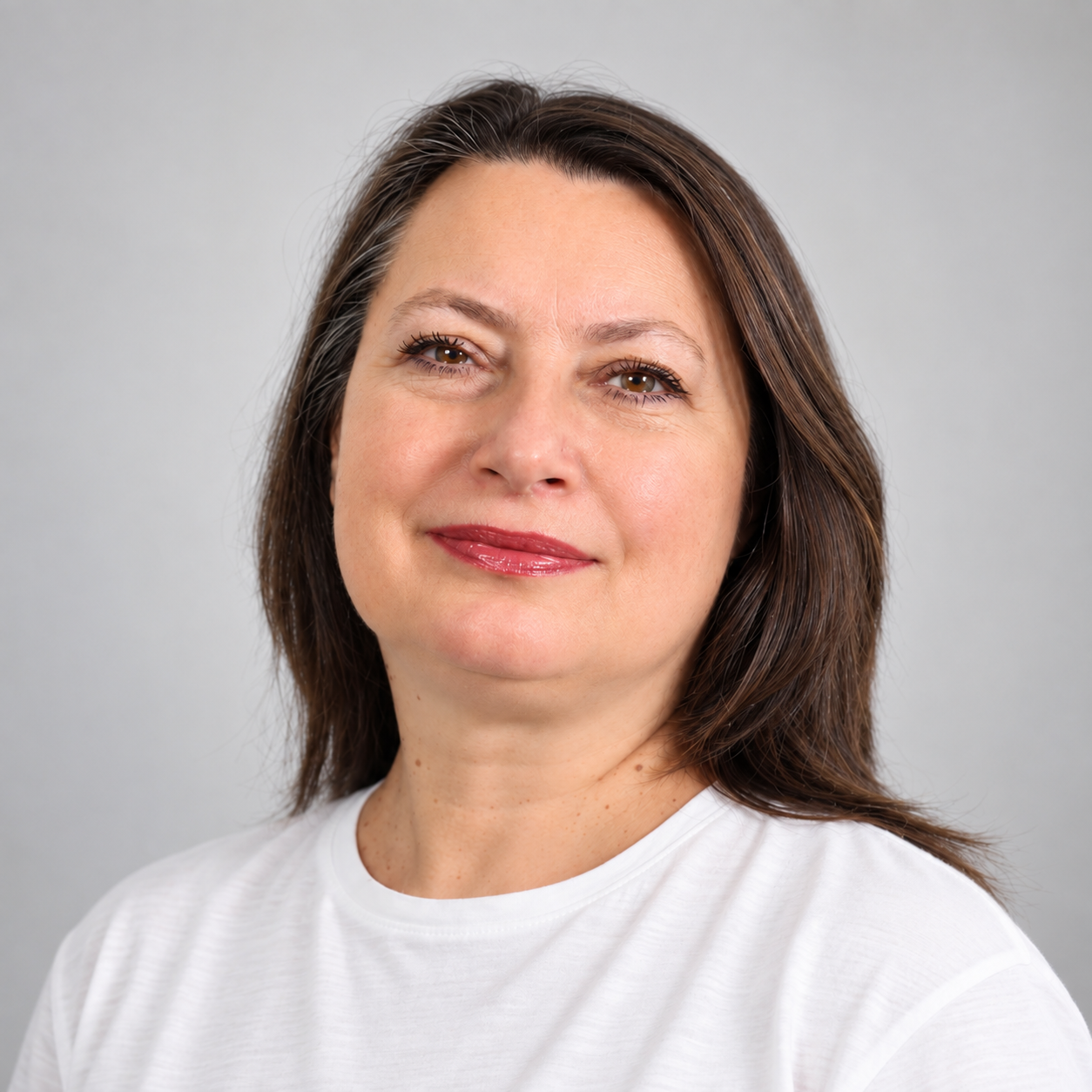
Nataliia Molchanova

Evhenia Ogurtsova

Maryna Diskalenko
External Relations

Evangelina Vandekerghof

Anastasiia Moroz
Legal & Finance
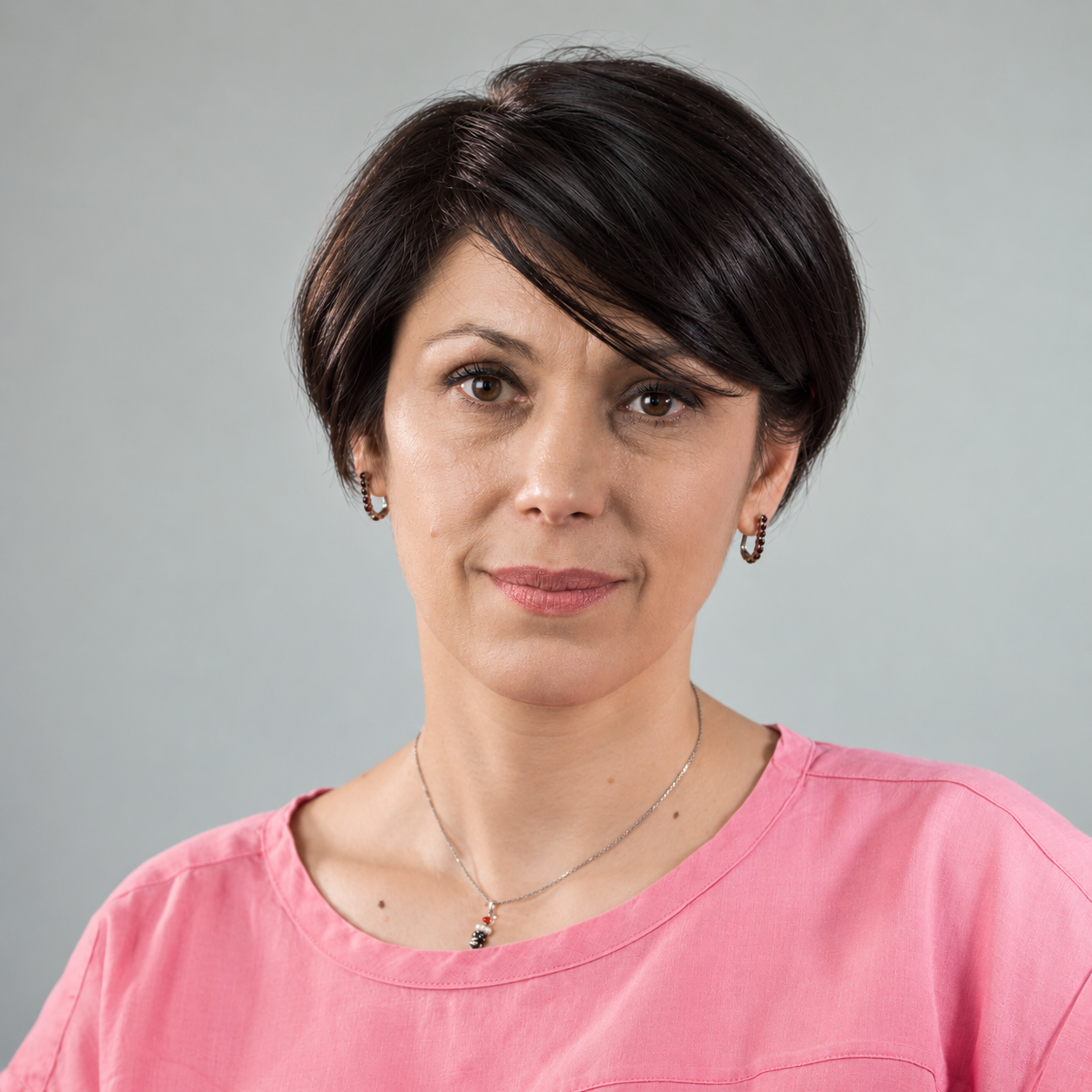
Valentina Comarova
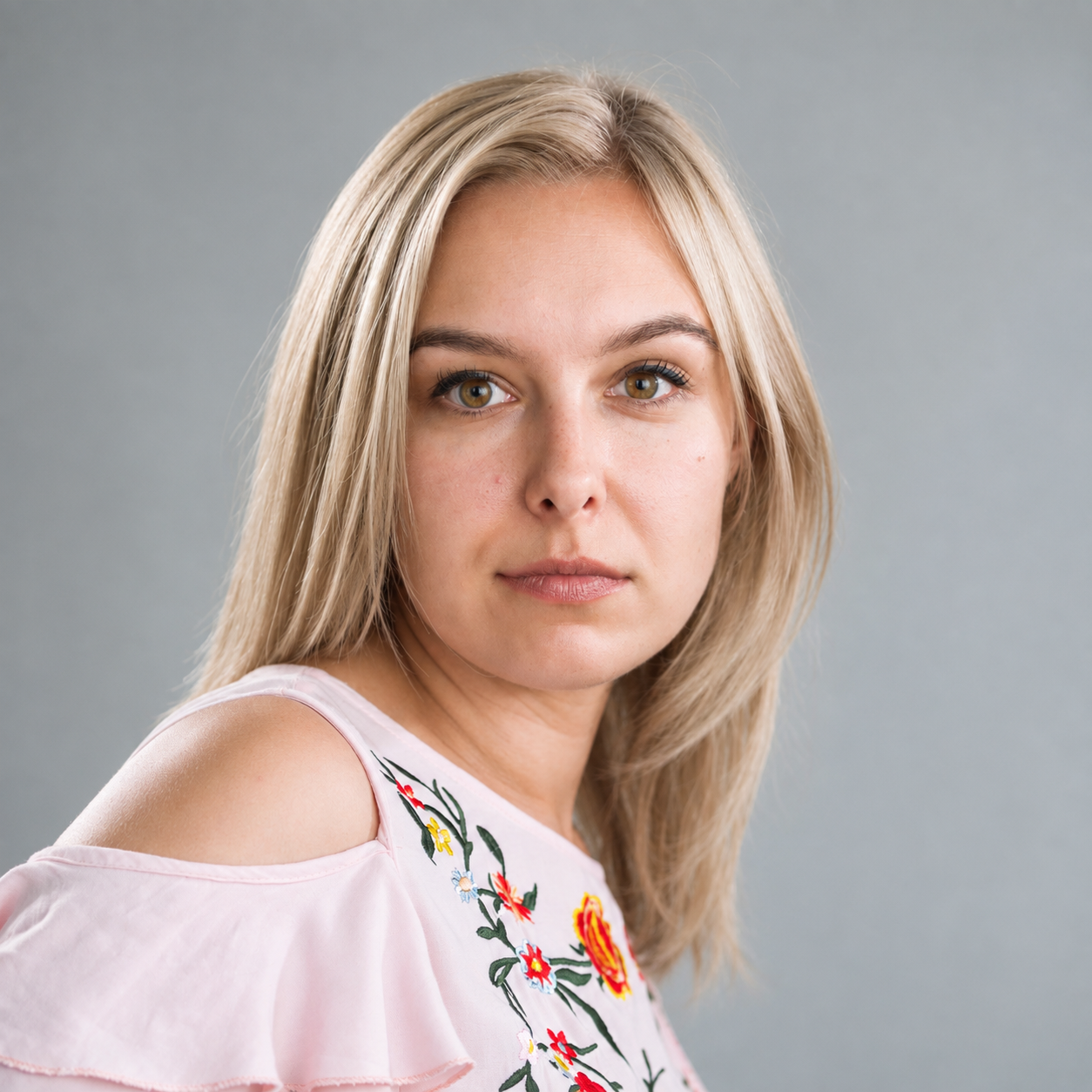
Elena Levitcaia
Logistics