Robota
About
In 2024, NCUM continued its efforts to promote economic inclusion and self-reliance among Ukrainian refugees in Moldova through the "Robota" project. Established in 2022, the project provides individualized employment counseling, comprehensive case management, and dedicated career guidance to refugees and vulnerable local community members, facilitating their integration into Moldova’s labor market.
In 2024, the project expanded economic opportunities for Ukrainian refugees in Moldova by introducing a digital-first approach to employment facilitation. The launch of the dilo.md platform, equipped with a job-matching algorithm, streamlined the process for refugees to access job opportunities, while simultaneously enabling private sector employers to identify qualified candidates efficiently. As indicated in 2024 SAIS study, over 49% of surveyed Ukrainian refugees secured stable income streams in Moldova. Within the other livelihoods initiatives implemented, this outcome reflects also the “Robota” project's contribution in enhancing economic self-sufficiency among refugees, reducing dependency on humanitarian aid, and easing pressure on Moldova’s social protection systems.
The achievements of the "Robota" project in 2024 were made possible through strong partnership with key humanitarian and development actors. NCUM worked in close collaboration with the National Employment Agency, UNHCR Moldova, and the European Bank for Reconstruction and Development, whose financial and technical support was instrumental in the development and successful launch of the dilo.md platform.
These strategic partnerships allowed NCUM to deliver targeted, sustainable employment support to refugees, effectively linking them with local labor market opportunities. The coordinated efforts ensured that refugee employment initiatives were responsive to market demands, contributing to long-term economic stability and smoother integration pathways for refugees in Moldova.
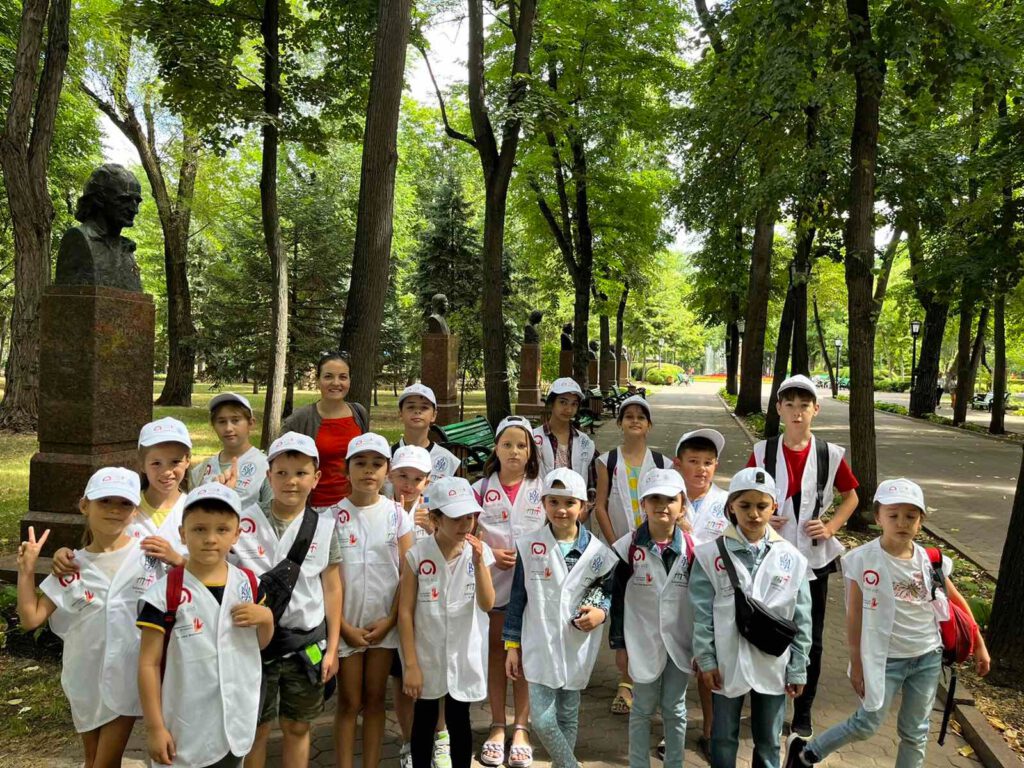
The Robota project envisions integration as a holistic process that extends beyond employment opportunities, fostering both community engagement and social cohesion. In 2024, the project facilitated spaces for dialogue and integration, recognizing that meaningful inclusion requires active social interaction. To this end, Robota organized community events, including handcraft workshops, digital skills training, cultural activities, and joint social gatherings for 355 participants. These initiatives brought together refugees and Moldovan community members, building trust, encouraging mutual understanding, and strengthening community bonds.
The development of dilo.md further reflected this inclusive approach, with refugees actively involved at every stage — from product design and functionality development to testing and quality assurance. Through feedback forms and focus group discussions, NCUM ensured direct refugee involvement, making the platform more responsive to community needs while promoting accountability and ownership.
Importantly, up to 30% of those receiving support from the project in 2024 were vulnerable members of the Moldovan community, highlighting Robota's commitment not only to refugee empowerment but also to local community support. This inclusive strategy contributed to social cohesion by creating shared spaces and joint activities that bridged communities and strengthened Moldova's social fabric.
In 2025, the project further evolved from employment support focused primarily on job seekers towards a more systemic approach to labour market integration. Alongside continued individual counselling and digital employment services through dilo.md, NCUM strengthened engagement with private sector employers, addressing legal, administrative and perception barriers to refugee employment. The development of a CSR Toolkit and targeted employer capacity-building activities supported more inclusive recruitment practices and strengthened the conditions for refugees’ longer-term economic integration.
In 2026, the project continued to develop this model by bringing together job seekers, employers and other labour market stakeholders around more inclusive employment practices. The focus expanded to strengthening employers’ readiness to recruit and retain refugees, promoting dialogue and exchange of good practices, and supporting a more inclusive approach to refugee employment and economic integration in Moldova. Through the employer toolkit, targeted information sessions and the Open Dialogue on inclusive employment, Robota further strengthened engagement between the private sector, public institutions and humanitarian actors. As of June 2026, since its launch in 2022, Robota had provided 5,334 employment consultations and supported 746 people in accessing employment, while facilitating 1,458 job offers and publishing 1,114 vacancies. The dilo.md platform had also developed into an established digital employment tool, with more than 45,000 active users and over 300,000 visits.
Overall, the project has progressively moved from individualized employment assistance towards a more structured model of labour market integration, combining direct support to job seekers, digital job matching, employer engagement and inclusive employment practices.
KEy achievements


Stories
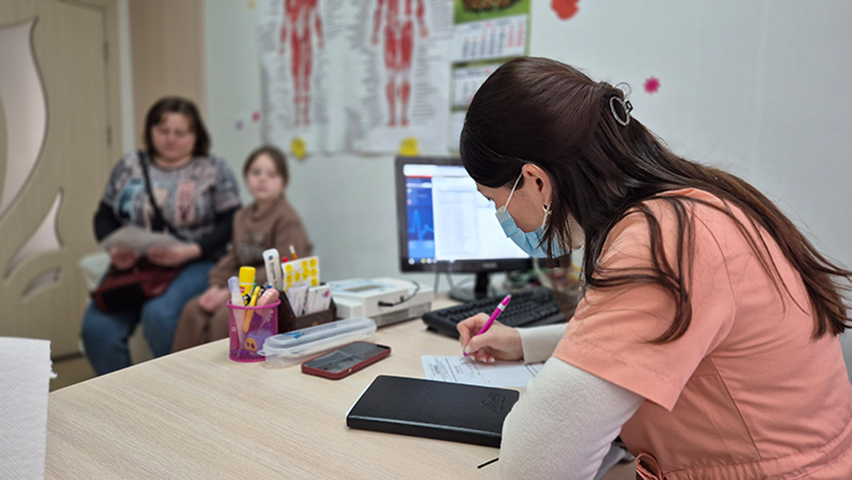
A New Chapter with ROBOTA: Ludmila’s Story of Resilience and Purpose
LINK

“Tinder jobs” and the renewal of traditions: RFI report from the Ukrainian House in Moldova

Refugees are looking for a job

The National Employment Agency (ANOFM) signed a cooperation agreement with the National Congress of Ukrainians of Moldova
RO
TEAM
Program
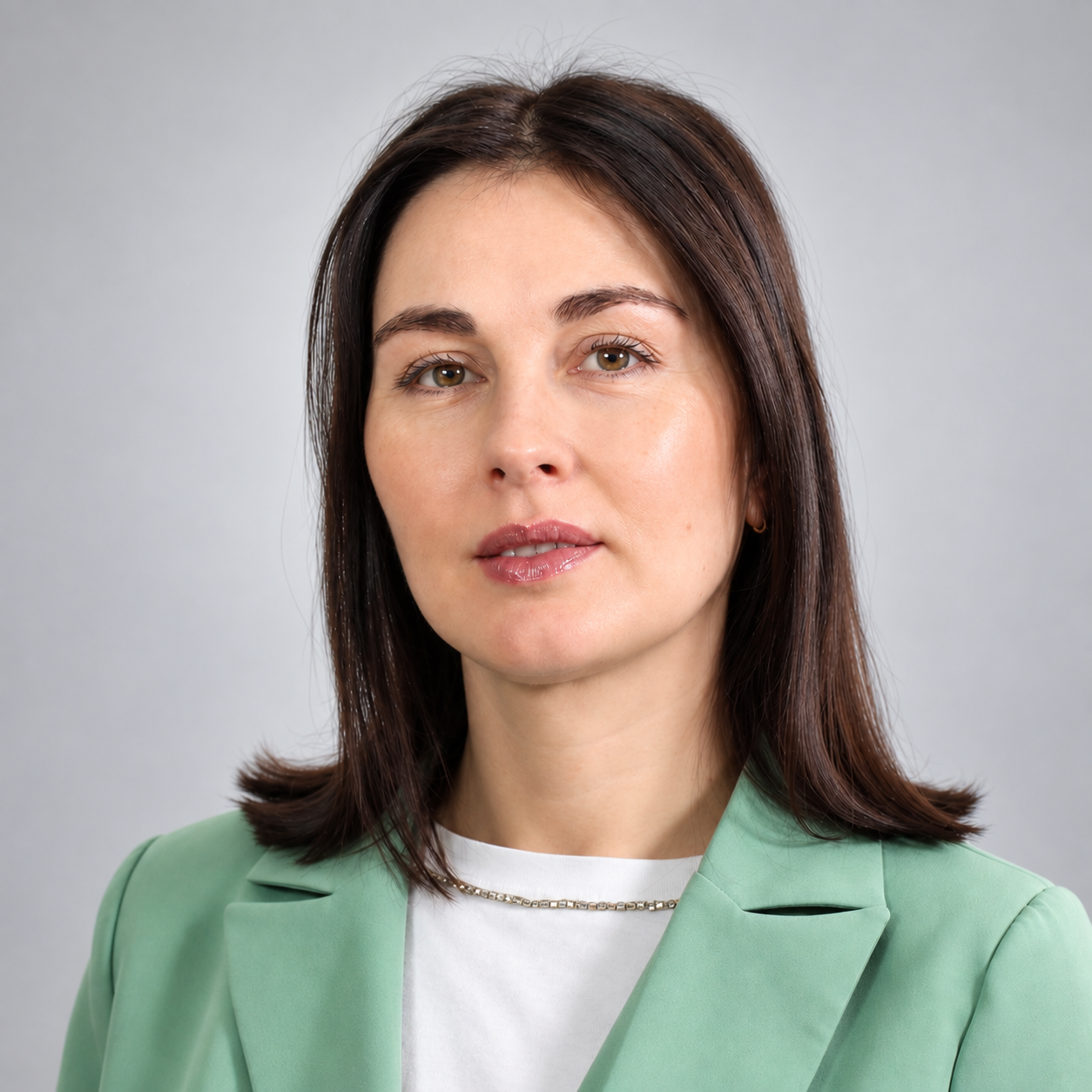
Darya Mandzyuk
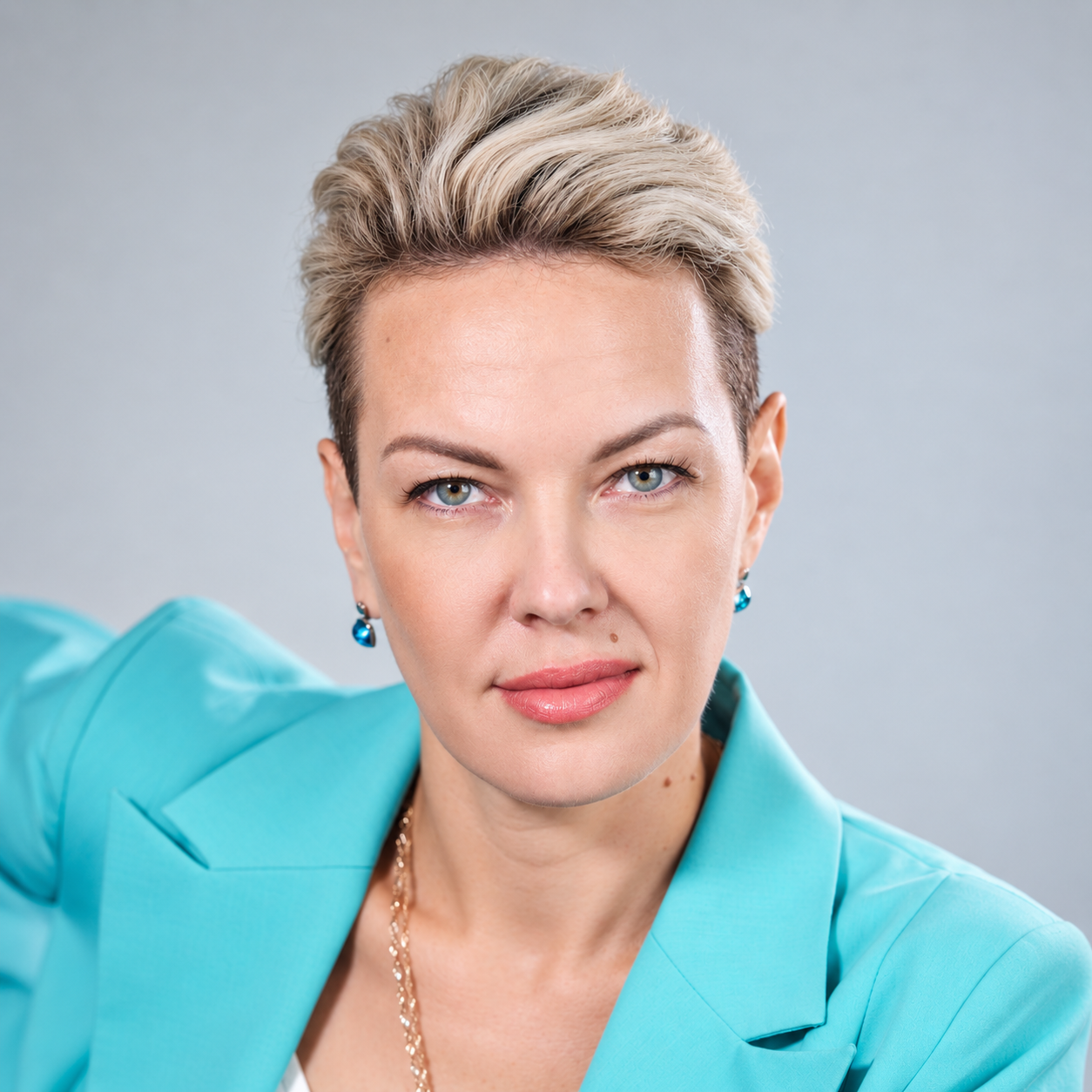
Kateryna Katkova
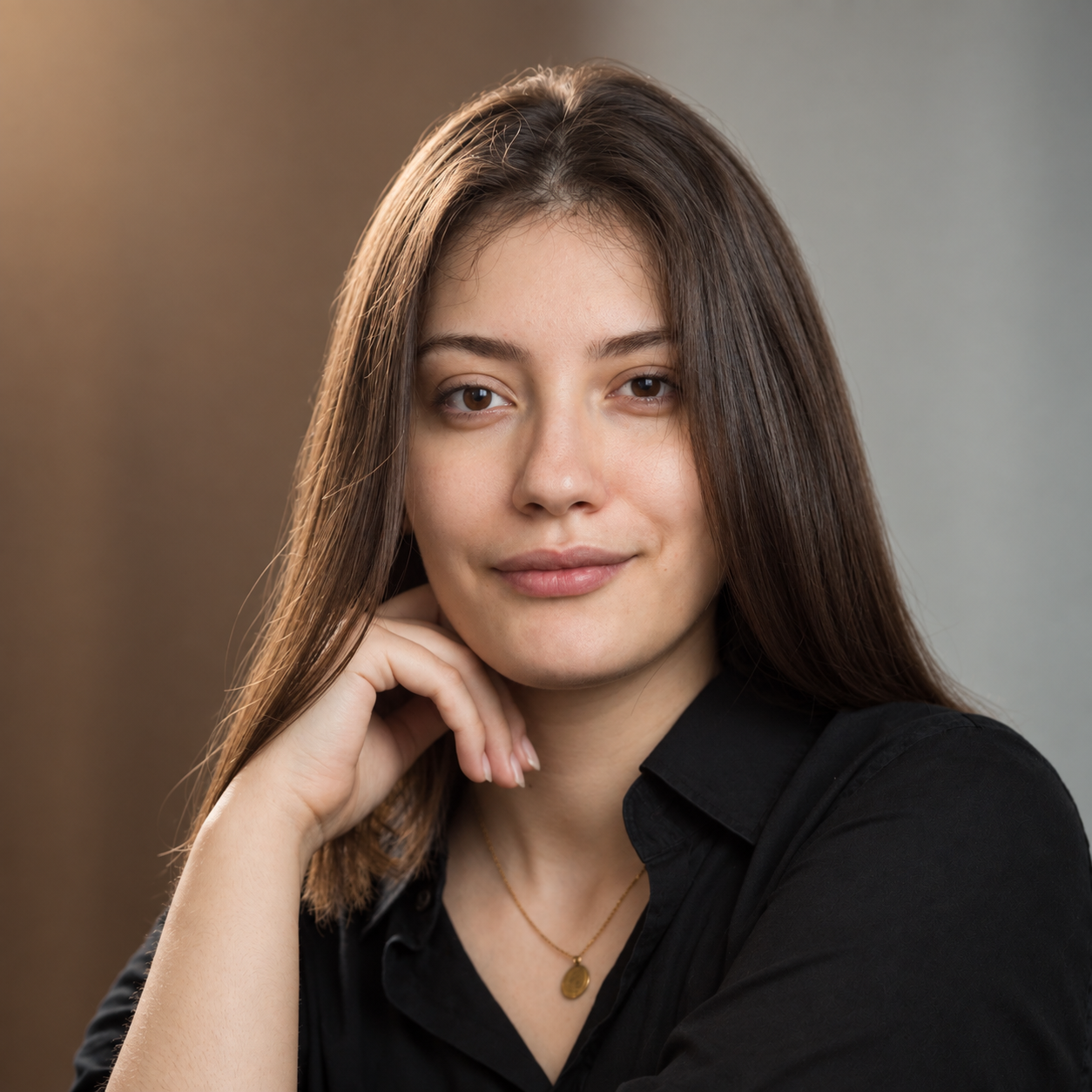
Irina Basiul
Project Implementation
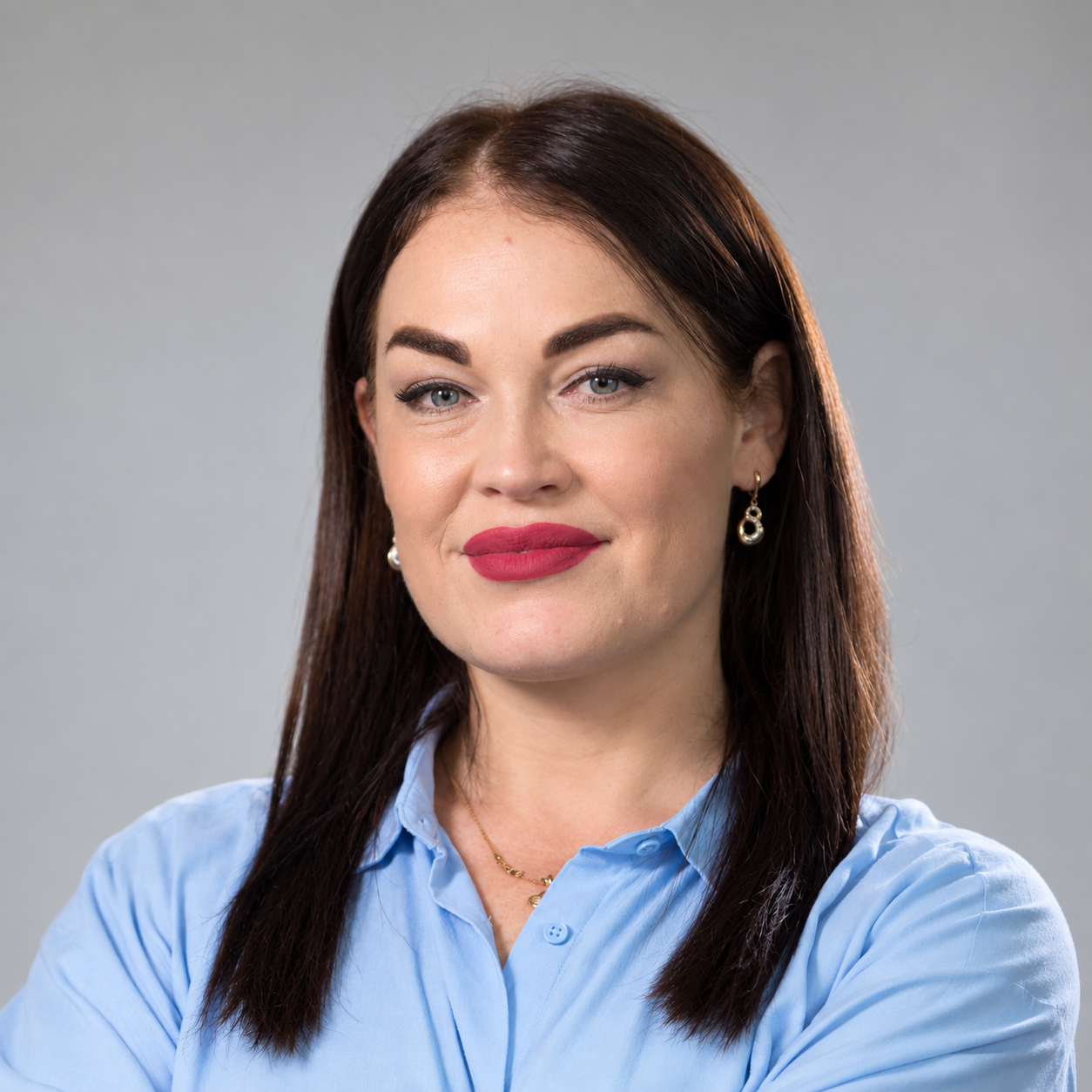
Viktoria Karlinska
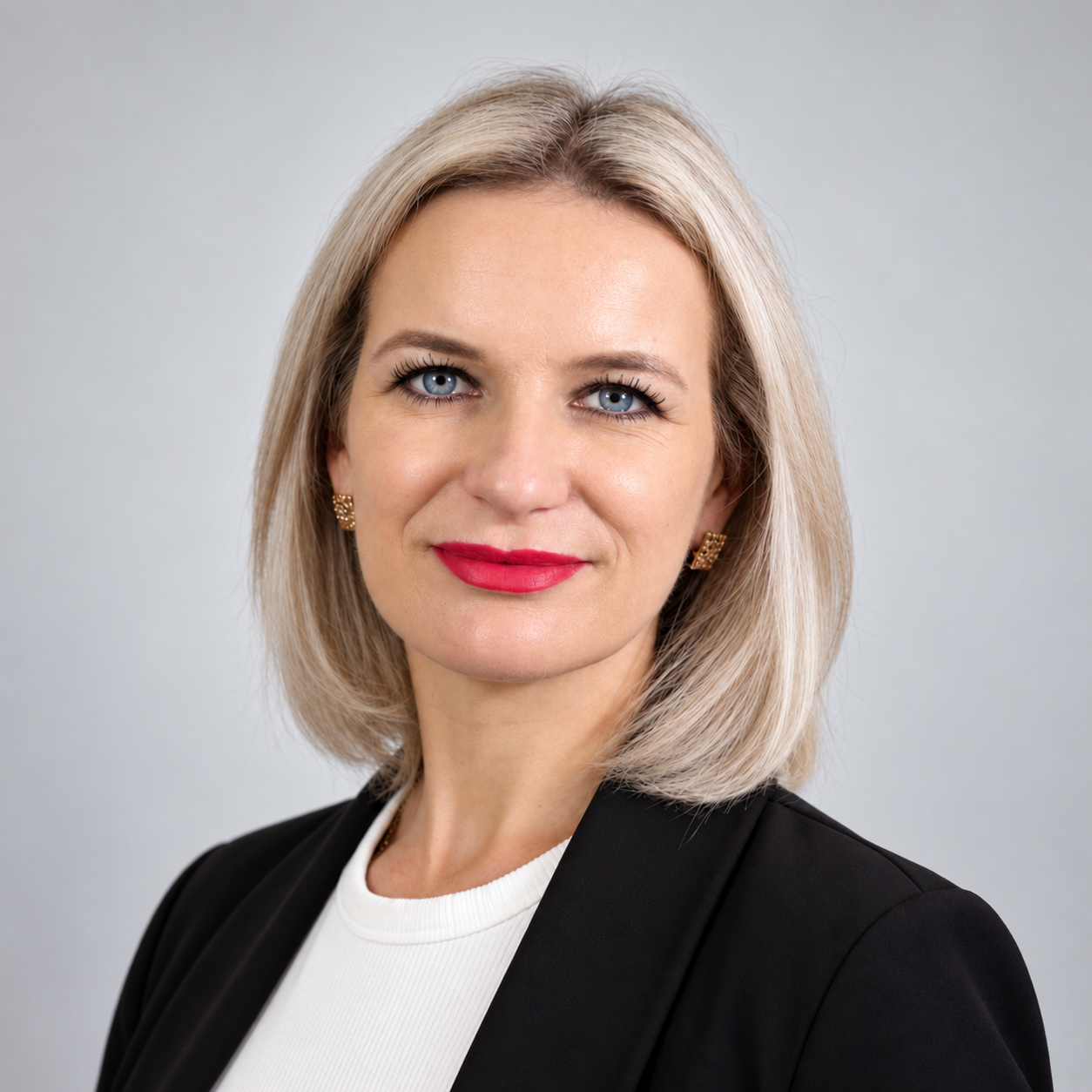
Tetiana Prokhorova

Elena Petroia
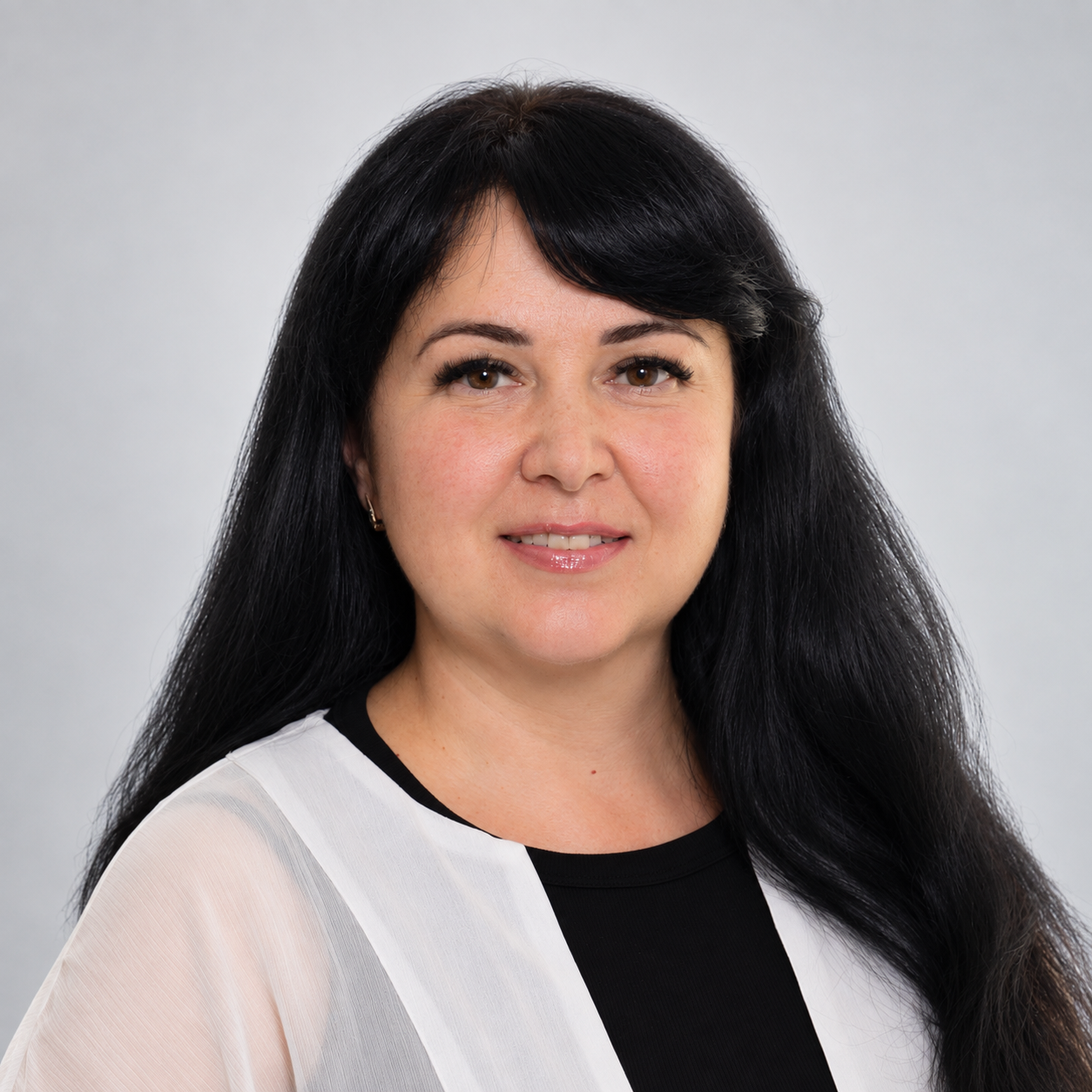
Hanna Hafarova
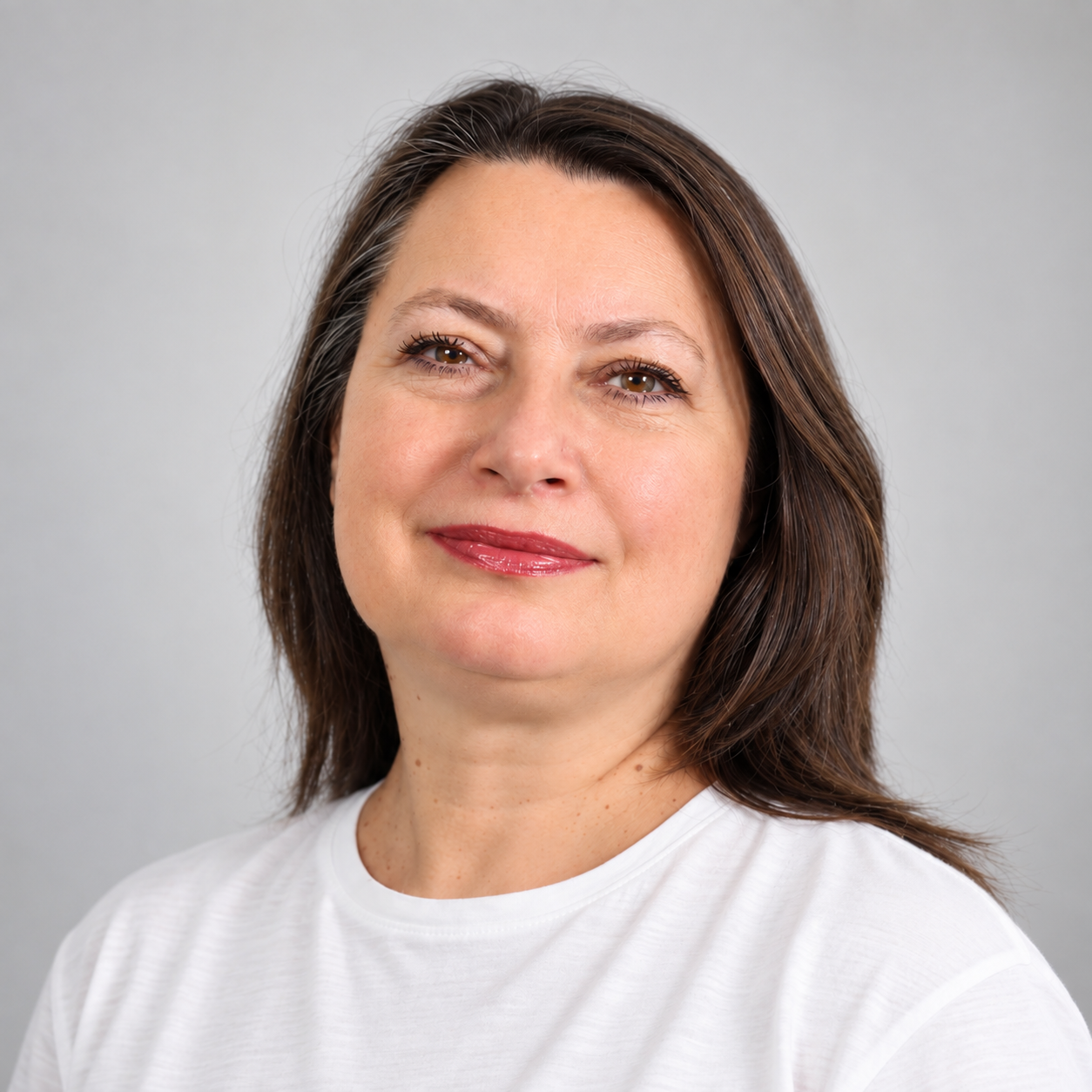
Nataliia Molchanova

Evhenia Ogurtsova

Maryna Diskalenko
External Relations

Evangelina Vandekerghof

Anastasiia Moroz
Legal & Finance
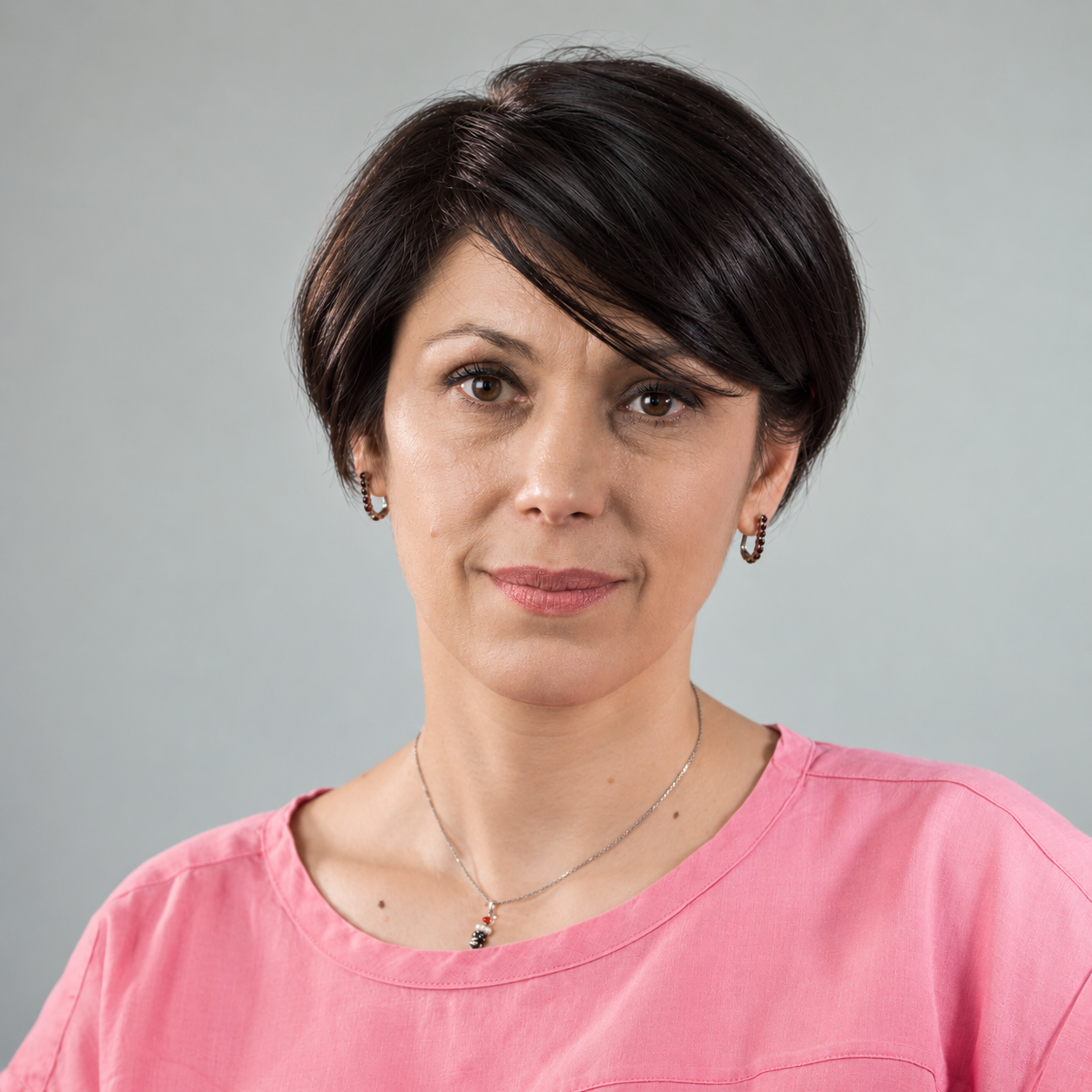
Valentina Comarova
Elena Levitcaia
Logistics