European Integration and Minority Rights: NCUM Participates in the 2026 National Forum of Ethnic Minorities






17 October 2026 | Republic of Moldova
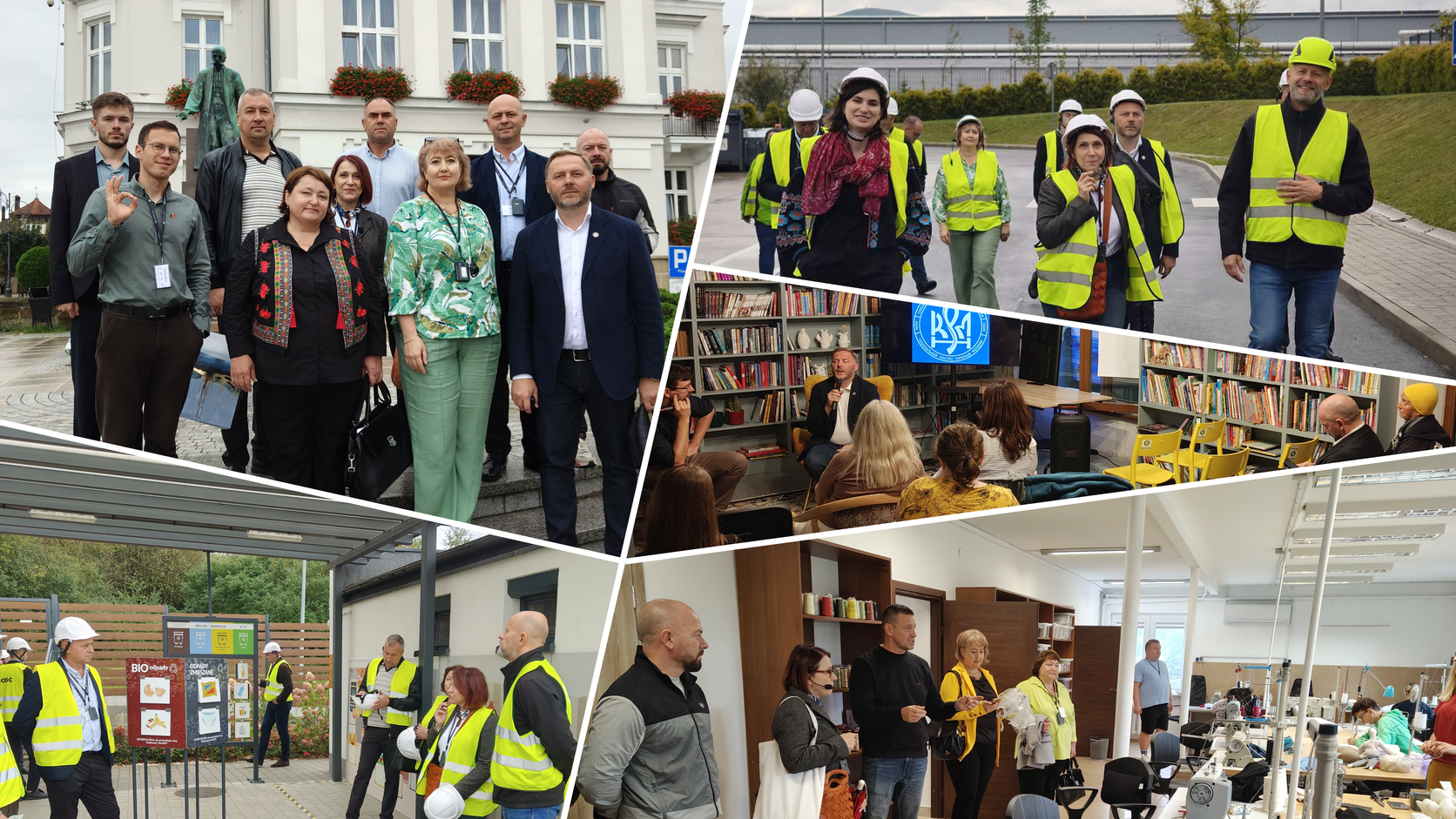
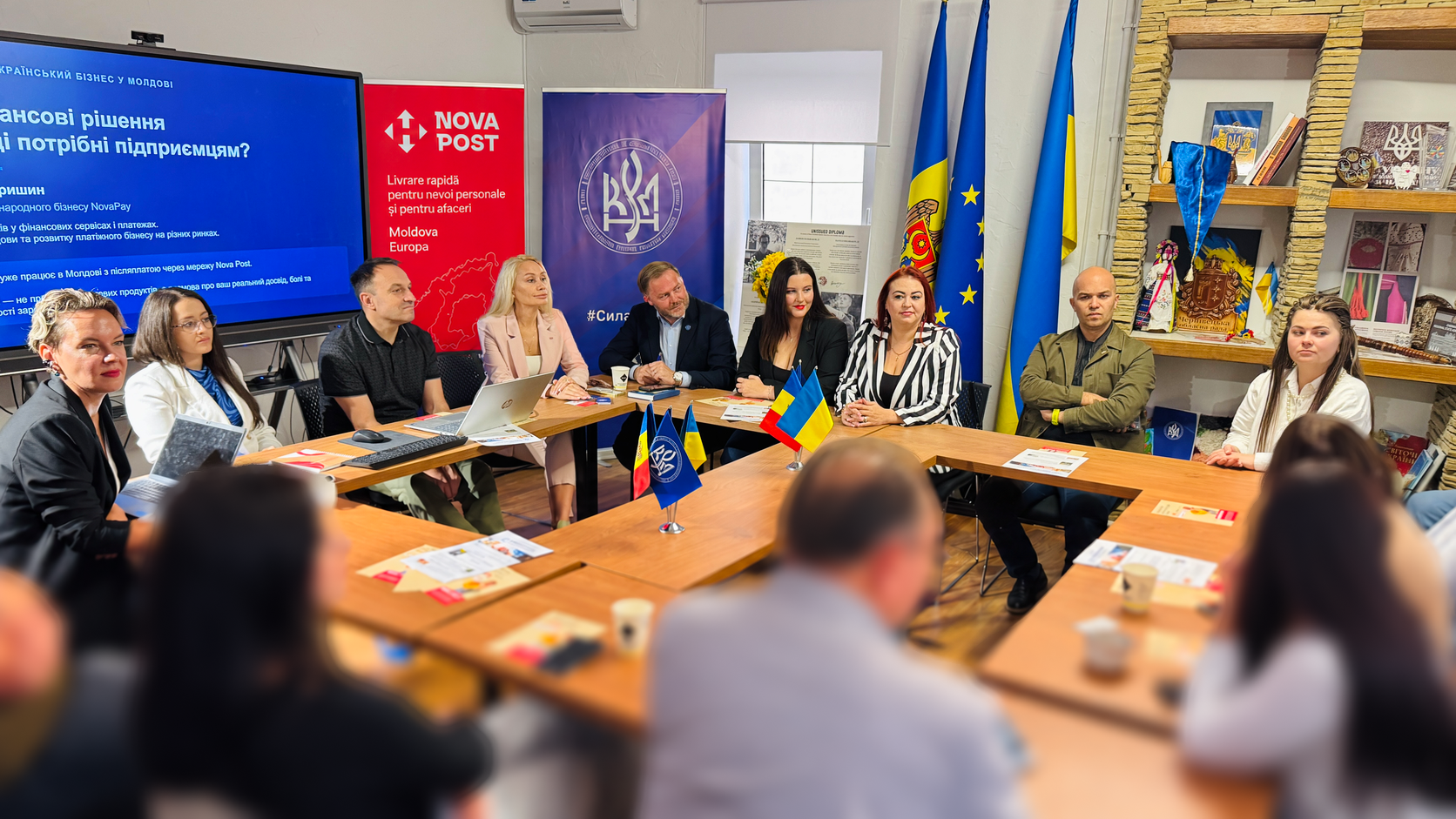
A team from the National Congress of Ukrainians of Moldova (NCUM), led by Dmitriy Lecarțev, participated in the 2026 National Forum of Ethnic Minorities, held under the theme “Different Voices, One Common Future.”
The forum was organised by the Centre for Civic Initiatives for National Minorities (ICPMN), with support from the Konrad Adenauer Foundation in Moldova, Soros Foundation Moldova, the Government of Denmark through AMIS, and the Centre for Information and Social Initiatives (CISU).
The event brought together representatives of public institutions, ethnic and cultural communities, civil society, diplomatic missions, and international partners to discuss minority rights, inclusive participation in public life, and the role of inclusive policies in Moldova’s European integration process.
From the Recognition of Rights to Their Effective Implementation
A central theme of the forum was the practical implementation of the rights of national minorities. Discussions addressed European approaches to language rights, access to education, representation, and the participation of diverse communities in public life.
As Moldova advances towards European Union membership, it is important not only to uphold the principles of equality and non-discrimination but also to ensure that people can exercise their rights in practice, access essential information and services, and participate meaningfully in decision-making processes.
Particular attention was given to the implementation of the Strategy for Strengthening Interethnic Relations for 2017–2027. Discussions on progress, existing gaps, and future priorities highlighted the importance of assessing the effectiveness of public policies and ensuring that the needs of ethnic and cultural communities inform the development of subsequent strategic frameworks.
For civil society organisations, this underscores the importance of sustained engagement with public institutions, participation in consultations, and evidence-based representation of community needs.
Access to Information as a Component of Inclusion
Another area of discussion concerned information resilience among national minorities, including access to reliable information and the role of minority-language media in the context of Moldova’s European integration.
Access to accurate, accessible, and understandable information enables people to navigate public processes, understand reforms, access public services, and participate in civic life.
In this context, media literacy, quality journalism, access to information in minority languages, and the ability to distinguish verified information from misleading or manipulative content are important components of an inclusive information environment.
For ethnic and cultural communities, access to information is also a matter of representation. Communities need opportunities to understand decisions that affect their lives, access relevant public information, and make their perspectives heard in public discussions.
The Ukrainian Community as an Integral Part of Moldovan Society
Ukrainians are an integral part of the history, present, and future of the Republic of Moldova. For many Ukrainians, Moldova is their home, where their families live, where they work and raise their children, and where they contribute to the development of local communities. For Ukrainians who have arrived in Moldova as a result of the war, the country has also provided safety and an opportunity to rebuild their lives.
These different experiences require an approach that recognises the distinct needs of community members while acknowledging their shared participation in Moldovan society.
The preservation of the Ukrainian language and cultural identity, access to education and information, participation in civic processes, and engagement with public institutions are important elements of the Ukrainian community’s meaningful participation in the life of Moldova.
For NCUM, these issues are directly linked to advocating for the rights of the Ukrainian community and strengthening dialogue with public institutions and partners. Participation in the forum provided an opportunity to contribute to a broader discussion on approaches to interethnic policy in the context of Moldova’s European integration.
The Role of Civil Society in Advancing Inclusive Policies
Civil society organisations act as intermediaries between ethnocultural communities, public institutions and international partners. Through their direct engagement with communities, they can identify emerging needs, document barriers to accessing rights and services, and bring people’s experiences into public policy consultations.
The effectiveness of this engagement depends on whether communities’ input is consistently taken into account and translated into concrete decisions. This requires regular consultations, monitoring the implementation of strategic documents, and assessing the actual impact of adopted measures on people’s lives.
National forums provide a platform for exchanging experience and identifying shared priorities. Their practical value lies not only in discussing current challenges but also in developing recommendations that can inform further improvements to public policy on interethnic relations.
For NCUM, participation in these discussions is one way to represent the interests of the Ukrainian community and contribute to policy approaches that take the rights and needs of national minorities into account in the context of the Republic of Moldova’s European integration.