“Now I Know Where to Turn”: The Story of Halyna Klychyk


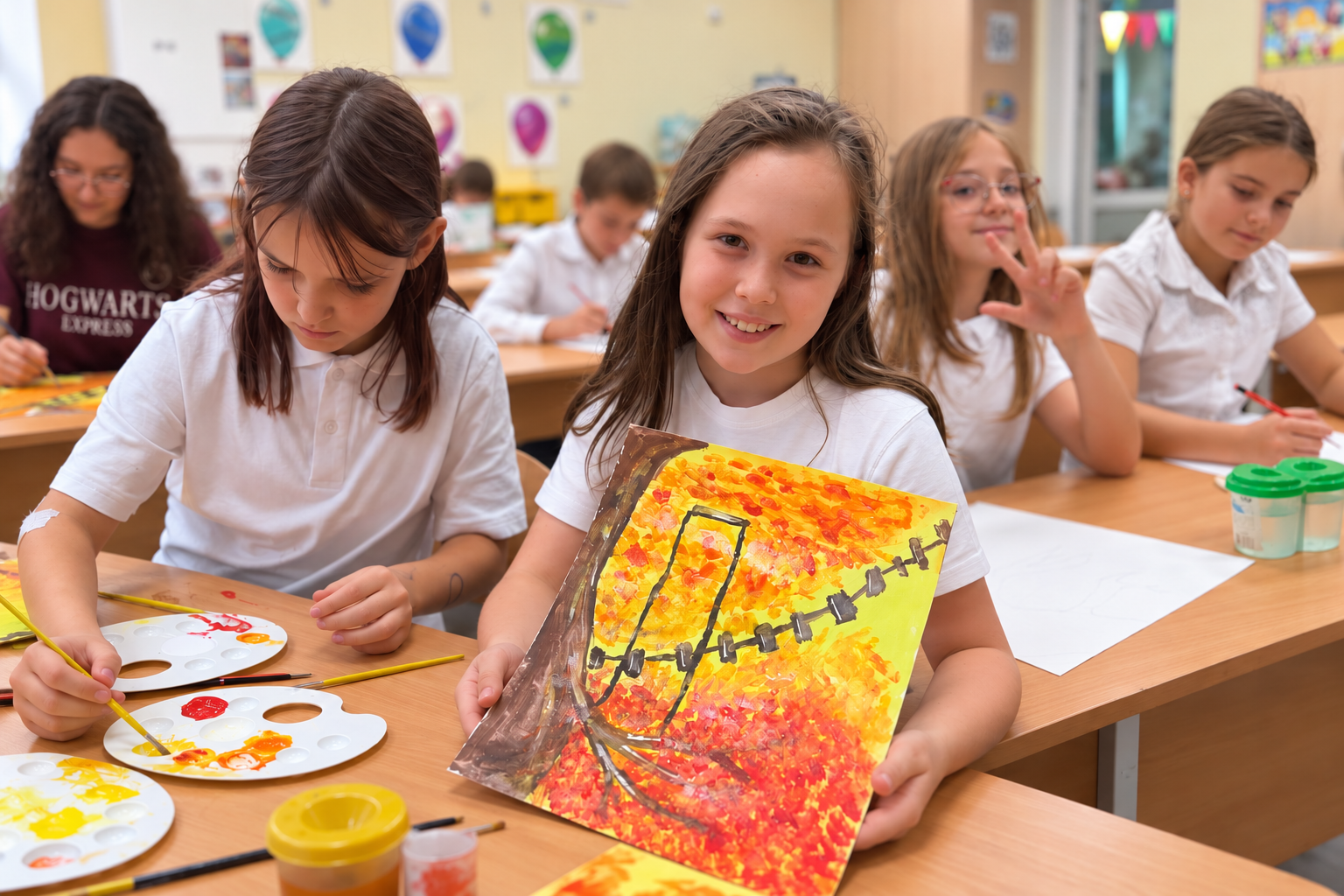


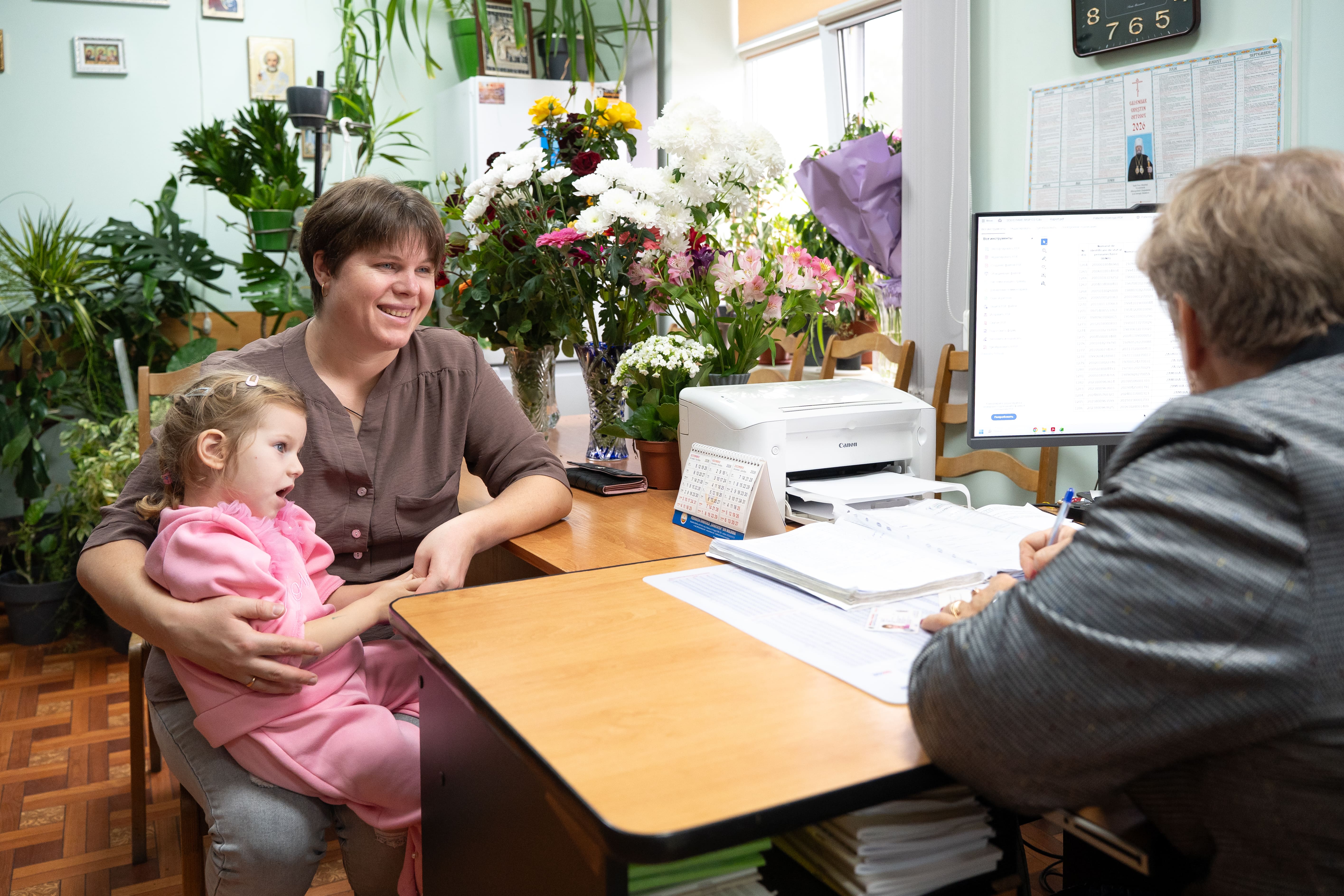
Halyna Klychyk came to Moldova from Ukraine with her two children. Today, she balances her studies, raising her children and looking for a job that offers a decent salary and would allow her to meet her family’s needs. Among the challenges she faces in her daily life, access to healthcare remains a particular concern.
Halyna lives in Comrat and notes that the local polyclinic lacks some medical specialists. Access to diagnostic services can also be difficult. For example, the polyclinic does not have its own ultrasound machine, and obtaining this examination free of charge is not easy. As a result, patients often have to turn to private medical facilities and cover the costs themselves.
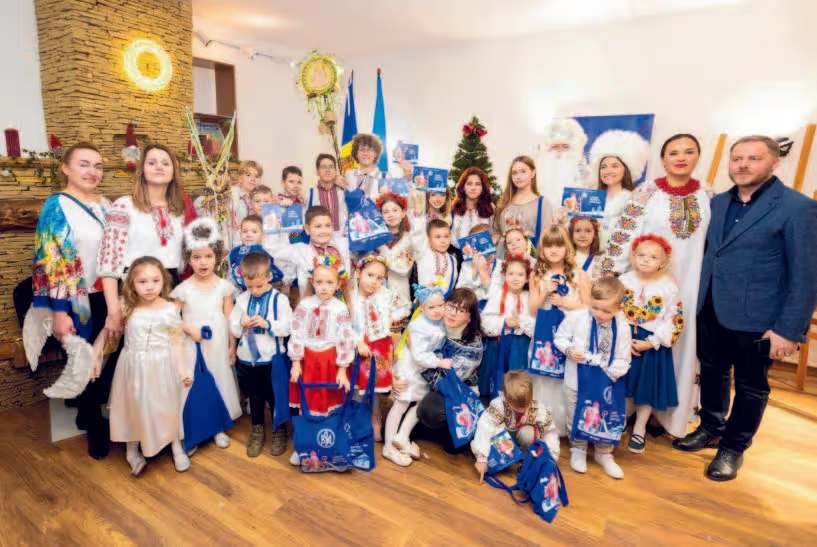
Concerns about access to healthcare were precisely what brought Halyna to an information session organised by the National Congress of Ukrainians of Moldova, with the support of WHO, focusing on rehabilitation services and support for persons with disabilities in Moldova. Her primary interests were the available options for vision rehabilitation for children, modern rehabilitation methods and the procedures for accessing these services through public healthcare institutions.
During the session, Halyna had the opportunity to meet the director of a public rehabilitation centre in person. The specialist explained how the centre operates, the methods it uses, the work of its staff and the support it provides to people with different needs.
The practical component of the meeting was particularly valuable to Halyna. She learned where the centre is located, how to arrange a consultation and what steps need to be taken through a family doctor. Participants were also given a tour of the centre and shown examples of its work. Halyna additionally received the specialist’s contact telephone number.
An important part of the discussion focused on situations in which people are denied access to the services they need. Kateryna Ginkote, the centre's director, explained that in such cases it is important to know one's rights, clarify the reasons for the refusal and seek further explanations.
For Halyna, the opportunity to address a specialist directly was particularly important. Speaking with a professional working in the rehabilitation system helped her better understand the available support options, how to access them and which steps to prioritise when seeking appropriate medical and rehabilitation services.
This was not the first information session Halyna had attended. Previously, she had participated in events addressing access to healthcare services and health insurance. One issue that remains relevant to her is whether Ukrainian refugees can obtain health insurance policies under preferential conditions similar to those available to certain categories of Moldovan citizens during specific periods of the year.
Halyna also draws attention to the situation of people with serious health conditions who have not yet received official disability status or whose applications for such status have been rejected.
“I think more information is needed for people who have not yet been granted disability status, or for those who are denied it despite facing very difficult life circumstances,” Halyna notes.
According to Halyna, it is important not only to hear about the services available but also to see the actual results of specialists' work. During the session, participants were presented with information about the scope of assistance already provided by the rehabilitation centre. This made a positive impression on her and helped her gain a better understanding of the institution's capabilities.
By the end of the session, Halyna had received answers to all the questions she had brought with her. She now knows where to turn for rehabilitation-related support, how to initiate the process of accessing services and whom to contact if further difficulties arise.
Her family's healthcare needs still require attention, but the information she received will help her determine the next steps.
Halyna's story illustrates the demand for information sessions that provide people with opportunities to communicate directly with specialists, receive practical guidance and learn about available services. For Ukrainian families living in Moldova, such meetings help them navigate the healthcare and rehabilitation systems more effectively and make more informed decisions concerning the health and well-being of their family members.